
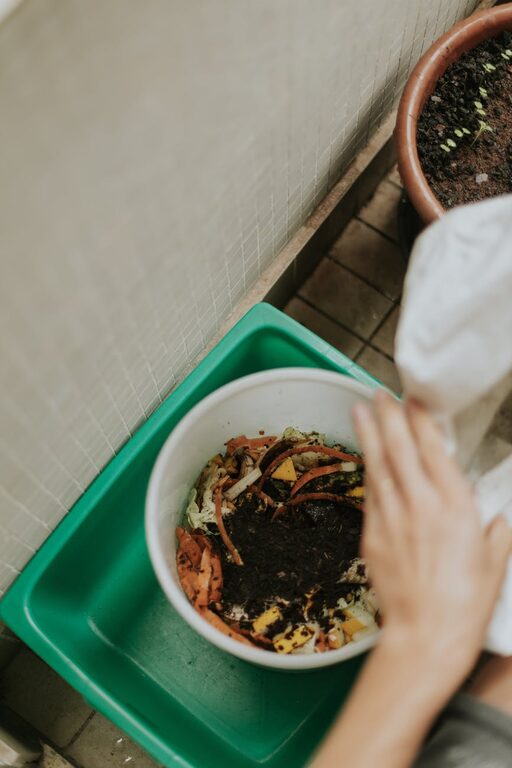
Composting at home is a rewarding way to reduce kitchen and garden waste while producing rich, natural fertilizer for your plants. If you’re new to composting, it can seem a bit overwhelming at first, but with the right approach, anyone can start a successful compost pile or bin. This guide will walk you through beginner tips to help you start composting at home effectively and with confidence.
What is Composting?
Composting is the natural process of recycling organic materials, like food scraps and yard waste, into a dark, crumbly soil amendment known as compost. This nutrient-rich compost improves soil health, supports plant growth, and reduces the need for chemical fertilizers.
Why Compost at Home?
– Reduce waste: Divert kitchen scraps and yard waste from landfills.
– Enrich soil: Create nutrient-dense compost to enhance garden soil.
– Save money: Cut down on buying store-bought fertilizers.
– Help the environment: Lower methane emissions from decomposing waste in landfills.
Getting Started: Basic Composting Tips
1. Choose Your Composting Method
There are several ways to compost at home:
– Compost bin: A closed container that helps keep things tidy and retains heat.
– Compost pile: An open pile in your yard, easy to start but requires regular turning.
– Tumbler: A rotating container that speeds up composting by making turning easier.
– Vermicomposting: Using worms to break down organic material, ideal for small spaces and indoors.
Choose what fits your space, budget, and lifestyle.
2. Find a Good Spot
Place your composting area:
– In a well-drained spot
– Shaded or partially shaded to avoid drying out
– Convenient for adding materials regularly
3. Understand What to Compost
Effective composting depends on balancing “greens” and “browns.”
– Greens (Nitrogen-rich materials):
– Fruit and vegetable scraps
– Coffee grounds and tea bags
– Fresh grass clippings
– Plant trimmings
– Browns (Carbon-rich materials):
– Dry leaves
– Straw or hay
– Shredded paper and cardboard
– Wood chips and small twigs
4. What NOT to Compost
Avoid adding:
– Meat, dairy, and oily foods (can attract pests and smell)
– Pet waste (may contain harmful pathogens)
– Diseased plants or weeds with seeds (can spread disease or weeds)
5. Layering Your Compost
Create layers to balance moisture, air, and nutrients:
- Start with a layer of coarse browns (twigs or straw) at the bottom for airflow.
- Add green scraps on top.
- Alternate layers of greens and browns.
- Keep the pile moist — like a wrung-out sponge.
- Turn the pile every 1–2 weeks to aerate it.
6. Maintain Your Compost
– Moisture: Keep it damp but not soggy.
– Aeration: Turning the compost helps speed decomposition and prevents bad odors.
– Size: Chop or shred larger materials to speed up the process.
– Patience: Compost may take a few months depending on temperature and materials.
Troubleshooting Common Compost Problems
| Problem | Cause | Solution |
|———————–|———————————-|———————————————–|
| Compost smells bad | Too much green material or lack of air | Add more browns and turn to aerate |
| Pile is too dry | Not enough moisture | Add water and some green materials |
| Attracting pests | Meat or oily foods included | Remove those materials, cover food scraps with browns |
| Compost not heating up | Pile too small or not enough greens | Add more green materials and increase pile size |
Using Your Finished Compost
Your compost is ready when it’s dark, crumbly, and smells earthy. Use it to:
– Mix into garden beds or pots as a soil amendment.
– Topdress lawns to add nutrients.
– Mulch around plants to conserve moisture.
Extra Tips for Successful Home Composting
– Use a kitchen compost bin to collect scraps daily and reduce trips outdoors.
– Save composting “recipes” or notes on materials that work well.
– Explore local composting workshops or resources.
– Consider a worm bin if backyard space is limited.
Final Thoughts
Composting is a natural and practical way to turn everyday waste into garden gold. Starting small and following these beginner-friendly tips can help you quickly develop a sustainable habit that benefits your garden and the planet. Happy composting!
—
By following these simple steps, you’ll soon enjoy the benefits of home composting while contributing to a healthier environment. Ready to start? Gather your scraps and get composting today!